top of page
bottom of page
I have worked on kitchen projects across Collin County for many years, and McKinney has its own pattern. You get a mix of older homes near the historic downtown, 1990s builds with oak cabinets and builder-grade everything, and newer subdivisions where the finishes are fine but the layout never suited the family living there. Each of these calls for a different plan. This article covers how I approach a kitchen remodel in McKinney, where the money goes, and the mistakes I see most often.
Most homeowners open with a Pinterest board. I ask a different question: what annoys you about the kitchen right now? The answers are usually practical. Two people cannot pass each other at the sink. The trash is across the room from the prep area. The pantry is a closet down the hall. The corner cabinets swallow pots you never see again.
Write down five complaints before you look at a single door style. A kitchen that photographs well but still has a bad work triangle will frustrate you for the next fifteen years. Finishes are the easy part. Layout is the expensive decision to reverse.
Costs in the Dallas-Fort Worth area have climbed steadily. For a mid-range remodel of a typical 150-square-foot kitchen, I plan on roughly $35,000 to $70,000, with cabinets taking 30 to 40 percent of that. A full gut with structural changes, new plumbing locations and high-end appliances can pass $100,000 without much effort.
Hold back 10 to 15 percent as a contingency. In homes built before 2000 I regularly find outdated wiring, soft subfloor under the dishwasher, or ductwork routed through a wall you wanted to open. None of that is exotic, and all of it costs money. A project with no contingency turns every surprise into an argument.
Cabinets set the price, the schedule and the look. You have three broad options: stock, semi-custom and custom. Stock is the cheapest and ships fastest, but sizes come in 3-inch increments, so you end up with filler strips and wasted space. Custom gives you exact dimensions, specialty storage and any finish you want, at a higher price and a longer wait, often 8 to 14 weeks.
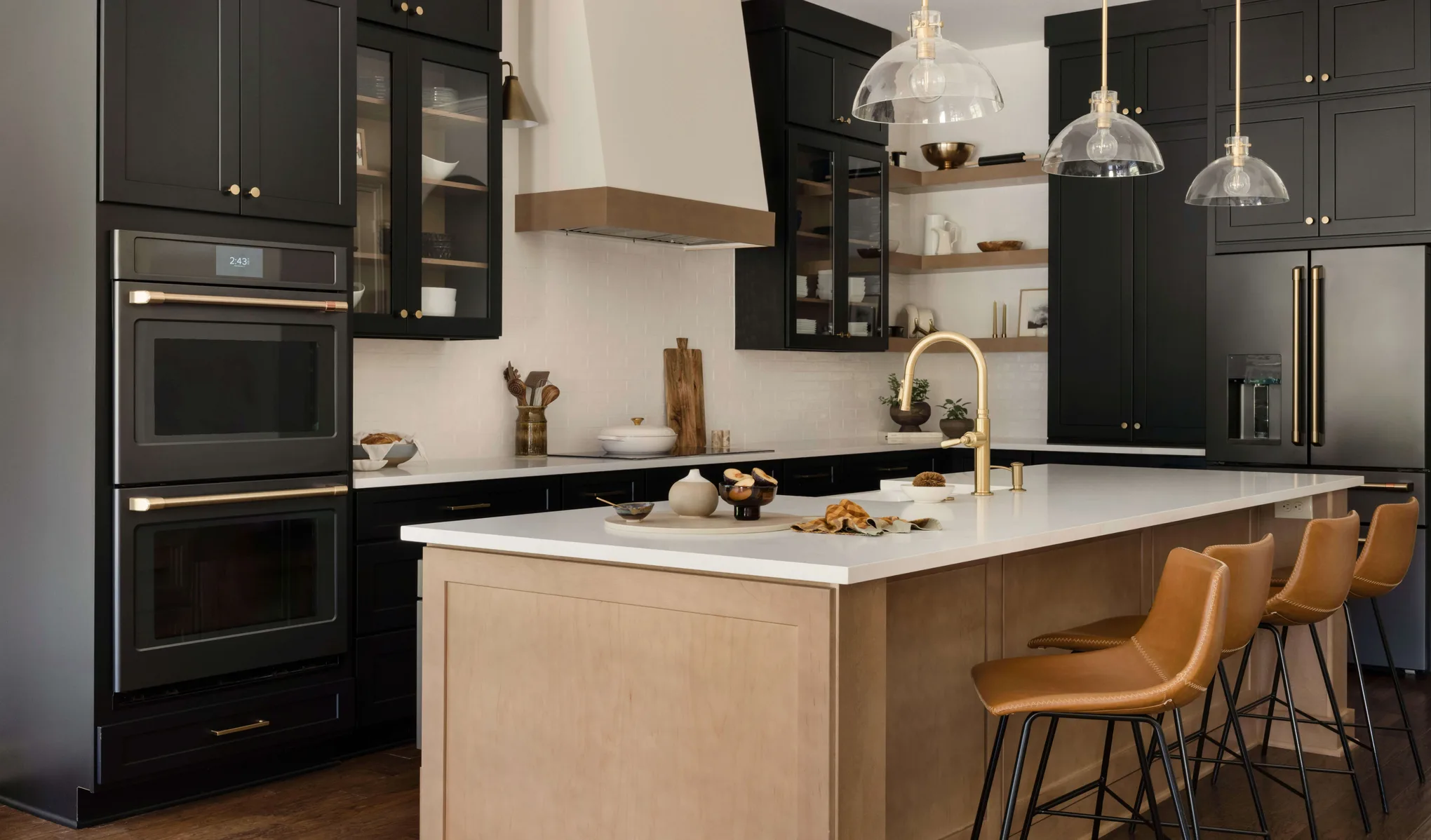
For many McKinney homes, a hybrid works well: quality stock or semi-custom boxes for most of the kitchen, and custom pieces where fit matters, such as around a range hood or in an odd corner. If you are comparing options for kitchen cabinet replacement, look for a team that handles design, ordering and installation together. Kitchen remodeling goes more smoothly when one party owns the measurements and the install, because errors in a cabinet order are the costliest kind to fix.
The single most expensive mistake I see is a bad measurement. A cabinet that arrives one inch too wide cannot be returned for a refund in most cases, and custom pieces never can. Walls in Texas homes are rarely plumb, and slab floors can slope by half an inch or more across a room.
I measure every wall at three heights and check corners with a level and a square. Then I confirm the numbers against the appliance spec sheets, not the marketing dimensions. Refrigerators in particular need clearance for ventilation and door swing that the headline width does not show. Before any order is placed, I want the final drawings signed off by the homeowner and the installer.
Sequence matters more than people expect. The order I follow is demolition, rough plumbing and electrical, drywall repair, flooring decisions, cabinet installation, countertop templating, countertop install, backsplash, then final plumbing, electrical trim and paint.
Countertops cannot be templated until the cabinets are set and level. Fabrication typically takes one to two weeks for quartz or granite. That means you should plan on about ten days with a kitchen that has no usable counters or sink. Set up a temporary kitchen in the garage or dining room with a microwave, a coffee maker and a bin for dishes. I have seen families go three weeks on takeout because they skipped this step.
Quartz remains the most common choice here because it handles heat and stains well and needs no sealing. Granite is still a good value if you like natural variation. Whichever you pick, view the actual slab, not a sample the size of a coaster.
Pick appliances before cabinets are finalized. Cabinet openings are built around real dimensions, and a late switch from a 30-inch to a 36-inch range can ruin a layout. If you are adding a gas line or moving a range to an island, confirm permit requirements with the City of McKinney early. Permit review can add days or weeks, and unpermitted work causes trouble at resale.

Lighting deserves its own plan. I use three layers: recessed or flush ambient lights, under-cabinet task lighting, and one decorative fixture over an island or table. Under-cabinet LED strips cost a few hundred dollars and change how a kitchen works at night more than almost any other upgrade. Put dimmers on everything.
Outlets are the other forgotten detail. Code requires them at set intervals, but I add extras where you actually use them: inside a pantry for a charging station, on the island end panel, and near the coffee setup.
Get at least three written proposals and compare them line by line. A low bid that leaves out demolition, disposal, permits or backsplash is not low, just incomplete. Ask each contractor who will be on site daily, who handles the cabinet install, and how change orders are priced.
Check licenses and insurance, and ask for two recent kitchen projects you can see or call about. Pay attention to how they respond to questions before you sign. Slow answers during the sales stage rarely speed up once the work begins.
Payment schedules should be tied to milestones. A deposit of 10 to 30 percent is typical, with the rest paid as cabinets arrive, as installation finishes and at final walkthrough. Never pay the full amount before the punch list is done.
A realistic timeline for a mid-size remodel is 6 to 10 weeks of construction after materials are ordered, plus the lead time on cabinets. Plan for the whole project to run 3 to 5 months from first meeting to final cleanup. Demolition takes two to three days. Cabinet installation typically takes three to five days for an average kitchen. The slow parts are waiting on inspections, countertop fabrication and any item that arrives damaged.
Expect dust, noise and workers in your home early in the morning. Seal doorways with plastic sheeting, cover floors that stay in use, and agree on working hours at the start. Do a walkthrough at the end with a roll of painter's tape, mark every scratch, gap or misaligned door, and do not release the final payment until each mark is resolved.

A good kitchen remodel in McKinney comes down to a few habits: define the problems first, budget with a cushion, settle cabinets and appliances before anything is ordered, and hold everyone to a written scope and schedule. The homeowners who are happiest a year later are rarely the ones who spent the most. They are the ones who made decisions early, asked plain questions and did not rush the details that are hard to change once the work is finished.